
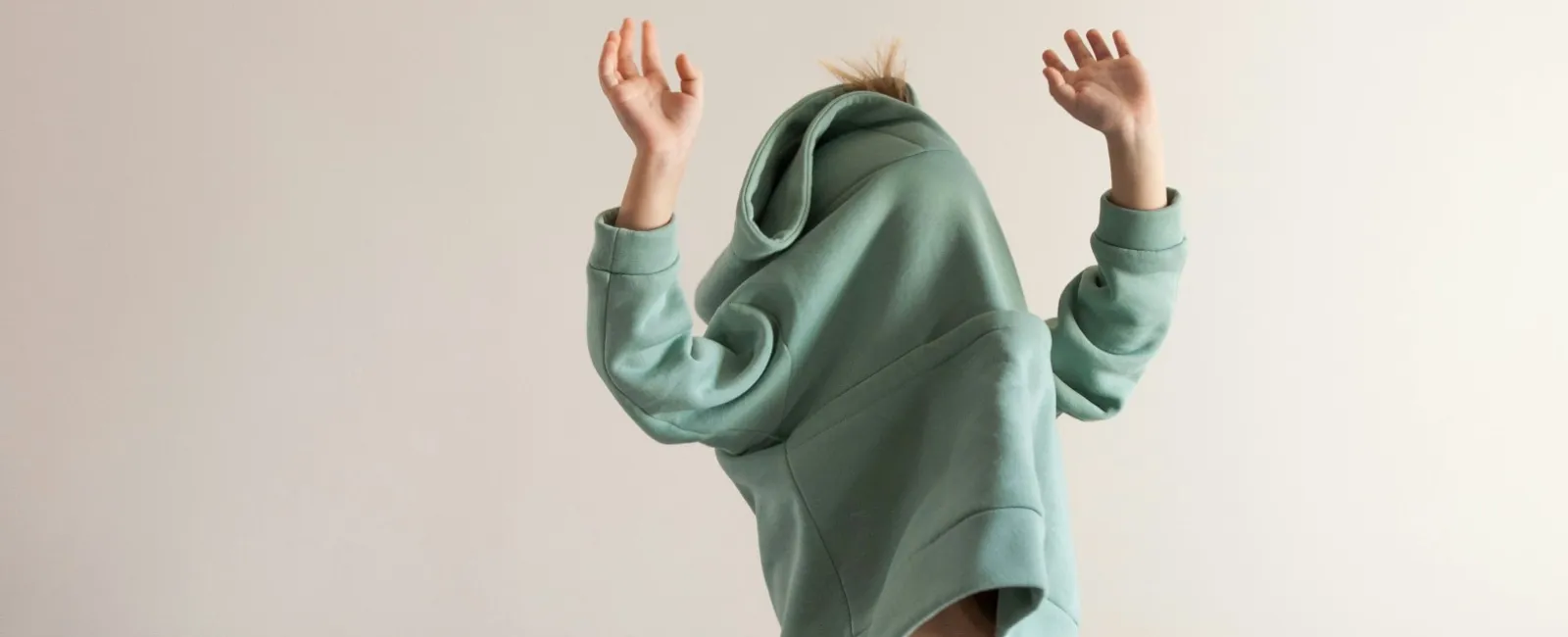
What Is Hand Flapping?
Hand flapping is a repetitive movement where a child rapidly waves, shakes, or flicks their hands, usually from the wrist. It's a form of self-stimulatory behavior, often called "stimming." Kids on the autism spectrum do it. So do plenty of children who are not on the spectrum, especially toddlers who are still learning how to manage big feelings.
What Does Hand Flapping Look Like?
Every child's stim is a little different, but you'll usually see:
- Quick wrist movements with arms held out at the sides or in front of the body
- Flapping that lasts a few seconds to a few minutes
- A tendency to appear during strong emotions: excitement, joy, anxiety, or sensory overload
- Sometimes paired with jumping, toe walking, or vocal sounds
A toddler might flap when their favorite song starts. A preschooler might flap before a tantrum, almost like a warning light. An older child might flap quietly under a desk when the classroom feels too loud. None of these versions are inherently good or bad. They're just communicating.
Is Hand Flapping Always a Sign of Autism?
No, and this is the part that is usually misunderstood. Hand flapping on its own is not enough to diagnose autism. Many neurotypical toddlers flap when they're thrilled or overwhelmed, and most grow out of it by age 3.
What clinicians actually look for is a pattern. Hand flapping becomes more meaningful when it shows up alongside other signs, such as:
- Limited eye contact or response to their name
- Delays in speech or social engagement
- A strong preference for routines and repetition
- Other repetitive movements, such as spinning or rocking
- Intense reactions to sounds, textures, or lights
If you're seeing several of these together, it's worth a conversation with a professional.
Why Do Autistic Children Flap Their Hands?
Stimming serves a real purpose. Research on sensory processing in autism points to three big reasons kids flap:
- Emotional regulation. Flapping helps release the buildup of excitement, frustration, or anxiety. It's the body's pressure valve.
- Sensory input. Some kids need extra movement and feedback to feel grounded in their bodies. Flapping provides that input.
- Focus and processing. A repetitive movement can quiet a busy nervous system long enough to think, listen, or transition.
Put simply, hand flapping is functional. It's a tool, not a flaw.
When to Talk to a Professional
You don't need to wait until something feels "wrong." If your child is over 18 months and you've noticed hand flapping along with speech delays, limited social interaction, or unusual responses to sensory input, an evaluation is a reasonable next step. Early intervention is the single best predictor of long-term outcomes, and the screening process is straightforward.
How to Support a Child Who Hand Flaps
Here's what we coach parents through every day:
- Don't force them to stop. Suppressing a stim can increase anxiety and lead to bigger meltdowns later.
- Watch for the trigger. Is it joy? Overstimulation? Hunger? Knowing the why helps you respond, not react.
- Keep them safe. If flapping happens in unsafe spots (near stairs, busy parking lots), gently redirect to a calmer space.
- Celebrate the communication. Your child is telling you something real. Listen.
- Get support if you need it. ABA therapy can help your child build coping skills and communication tools that work alongside their natural way of processing the world.
Hand flapping isn't something to fix. For many kids, it's how they connect with themselves while they figure out how to connect with the rest of us.
Ready to talk to someone who gets it? Elevation Autism Center has ABA therapy and diagnostic services across the Atlanta metro area, from Cumming to Kennesaw to Gainesville. Book a consultation or call 404-474-0040 to take the first step.


